Corbett Monsoon Season 2026: Why Jhirna, Dhela and Dhela’s Neighbors Are the Safari You’re Not Booking
Booking window opened at 5:30 AM on June 27, 2026. That’s the exact minute Corbett Tiger Reserve reopened safari bookings for the monsoon season. Most travelers scrolled past it. Dhikala’s shut. Bijrani’s shut. Why bother?
Here’s the thing, though. Two zones never close.
The zones nobody talks about
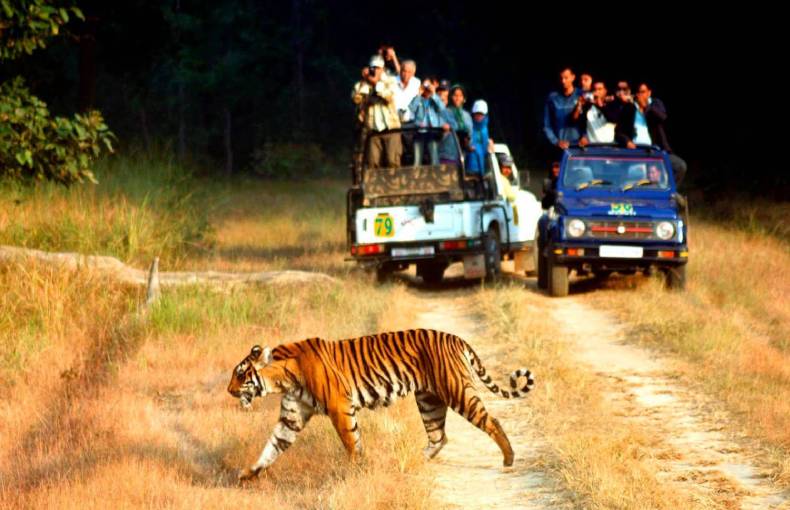
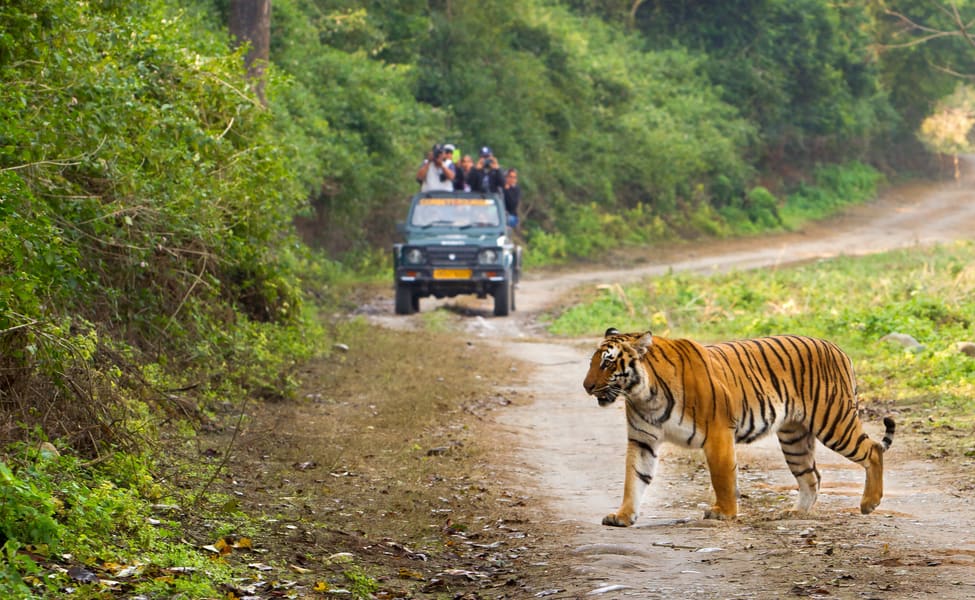
Jhirna and Dhela sit on the southern edge of the reserve, and unlike the marquee zones, they run year-round, weather permitting. Jhirna stays open all year, subject to weather conditions, and it’s located roughly 20 km from Ramnagar. It doesn’t have Dhikala’s sweeping grasslands. But it delivers steady sightings across every season, leopards and sloth bears included – and during the rains, that consistency is worth more than scenery.
Dhela is the newer sibling. It sits about 15 km from Ramnagar, also runs year-round subject to weather, and mixes grassland with deciduous forest. Most guides pitch it as a fallback when Bijrani sells out. Fair enough. But treat it as a fallback and you’re missing the point – during monsoon, it’s not a backup plan. It’s the plan.
Sonanadi is a trickier case, and worth clearing up before you book. Several trip-planning sites lump it in with the “open all monsoon” crowd. The reserve’s own regulations say otherwise: the Dhikala, Lohachaur and Sonanadi zones are closed for day visits from 16th June to 14th November, and the Vatanvasa gate – Sonanadi’s entry point – runs October 15 to June 30, closing during the monsoon. So if a package tries to sell you a July Sonanadi safari, ask twice. Something’s off there.
Why the rest of the park goes dark
It isn’t bureaucracy for its own sake. Amdanda gate, which feeds Bijrani, runs October 1 through June 30 and shuts for the monsoon. The reason is mud, not paperwork. Dirt tracks through Dhikala and Bijrani turn into a swamp once the rain sets in, and vehicles simply can’t get through safely. Forest officials aren’t being precious. They’re avoiding gypsies stuck axle-deep in the Terai.
Jhirna and Dhela survive because of drier terrain and better drainage – not because the rain skips them.
One more limit worth flagging: across the whole reserve, night halts for visitors are suspended from June 15 to November 14. Whatever zone you pick, you’re doing a day safari and sleeping outside the park. No exceptions.
So is it actually worth going?
Depends what you’re after. If your checklist is “see a tiger, get the photo, go home,” monsoon Corbett will frustrate you. Sightings thin out. Animals scatter into thicker cover once the grass grows tall, and jeeps can only cover a fraction of the usual routes.
But the forest itself changes character completely. The dust settles – literally. Everything turns a shade of green you don’t see in April. Fewer vehicles means fewer engines drowning out birdcalls, and this is peak season for serious birders chasing monsoon migrants. Photographers who’ve done both seasons will tell you the light hits differently after rain – softer, less bleached.
Actually, that’s underselling it a bit. It’s less “safari with fewer animals” and more “a completely different trip wearing Corbett’s name.” Go in expecting a nature retreat with a safari bolted on, not the other way round, and you won’t leave disappointed.
Booking logistics, monsoon edition
A few practical notes before you lock anything in:
- Bookings for day visits generally open 45 days ahead of the date, same as any other season.
- Advance booking isn’t available for Dhela during monsoon because of the rainfall risk, and safaris there can be cancelled same-day if conditions turn. Build slack into your itinerary. Don’t fly in for a 24-hour window and pin all your hopes on one drive.
- Payments are non-refundable once a permit’s issued, monsoon or not. Weather-related cancellations are handled case by case, so keep your confirmation email handy and ask the gate office directly if a safari gets called off.
- Roads to Ramnagar hold up fine in the rain – it’s the internal park tracks that suffer, not the approach.
Who should actually book this
Skip it if you need guaranteed sightings – go October through March instead, when every zone is open and dry. But if you’re a birder, a landscape photographer, or you’d genuinely rather have Jhirna half to yourself than fight crowds in Bijrani come winter, late June through September earns a serious look. It’s quieter. It’s cheaper, most of the time. And it shows you a side of Corbett that the peak-season crowd never sees.
Booking’s live now. Jhirna and Dhela are the ones to actually reserve – not Sonanadi, whatever a stray blog post might claim. Check corbettgov.org directly before you pay anything, and always cross-reference zone status against the official site rather than a tour operator’s calendar, since those don’t always get updated in step with the forest department.